Must See Beaches
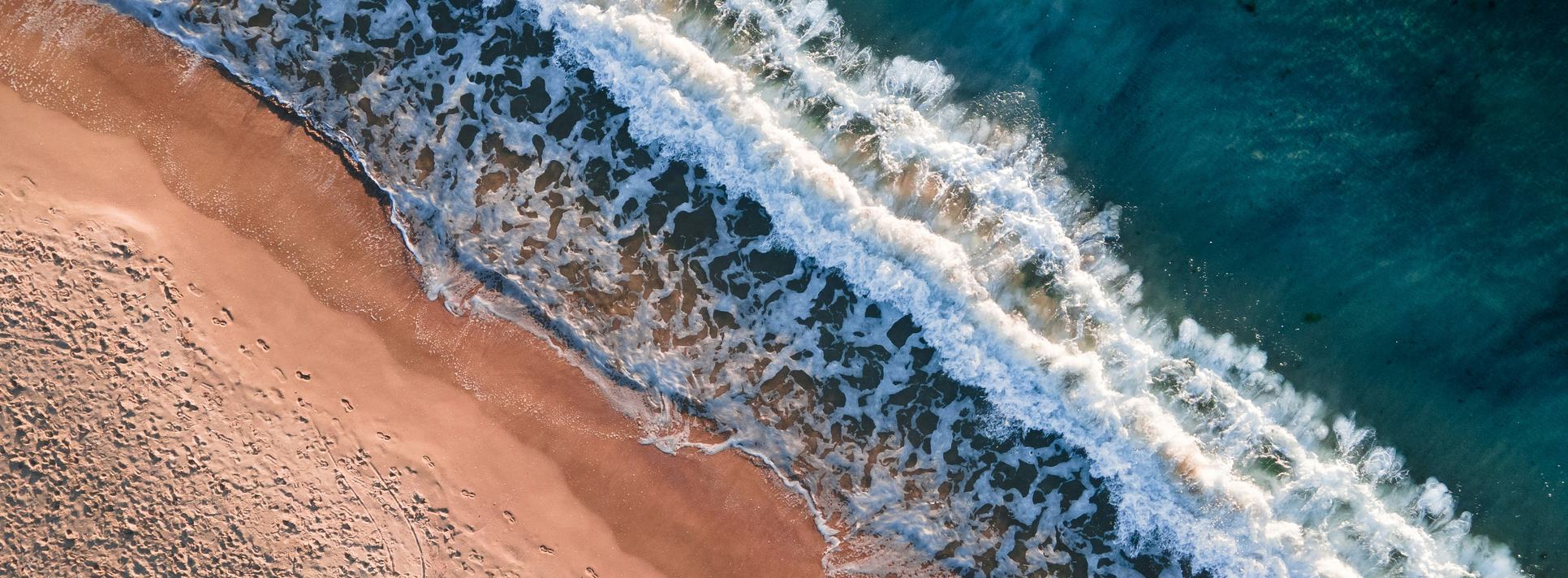
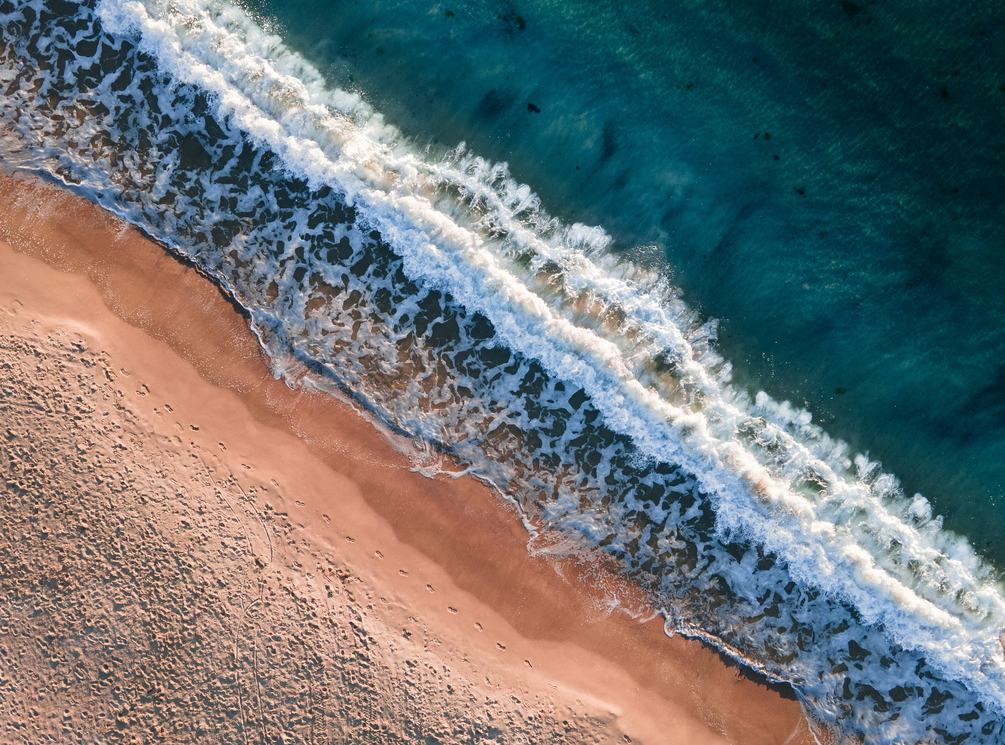
Tasmanian coastal water is cold year-round, even in summer. That’s just part of the experience. On the right day though—when the wind drops, the sun is out, and the water goes glassy—it can feel incredibly fresh and almost electric to swim in. It’s less about tropical warmth and more about clarity, space, and that sharp, invigorating shock of cold water that makes every swim feel alive.
Around Hobart, you also get a rare mix of environments within a short drive: sheltered river beaches, open ocean surf, and small rocky coves that feel like hidden pools. The best spots below give a good cross-section of what the region offers.
Kingston Beach
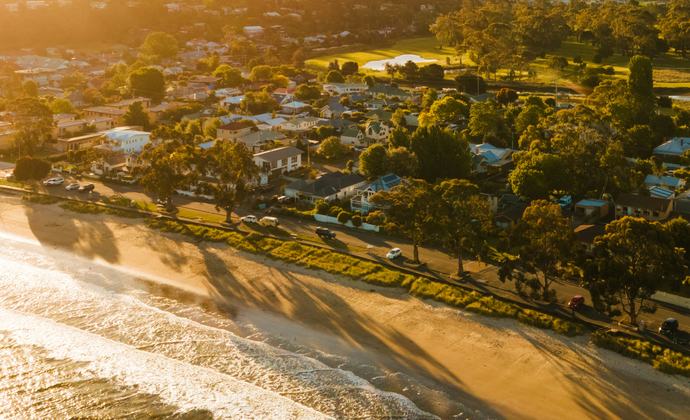
Kingston Beach is one of the most practical and reliable swimming beaches close to Hobart. Sitting on the Derwent estuary, it is much more sheltered than ocean-facing beaches, which makes it a consistent choice for swimming.
It has a strong local community feel, with cafés, a long foreshore reserve, and easy access right from the road. The water is usually calm, and in summer it becomes one of the most active swimming spots in the region.
At either end of the beach, walking tracks lead to quieter viewpoints and rocky edges, giving it a bit more variety than it first appears to have.
-
Best for: safe swimming, casual beach days, families, café access
Atmosphere: suburban, relaxed, consistent
Things to know: not a surf beach; clarity varies with tide and weather
Sandy Bay
(Long Beach and Nutgrove)
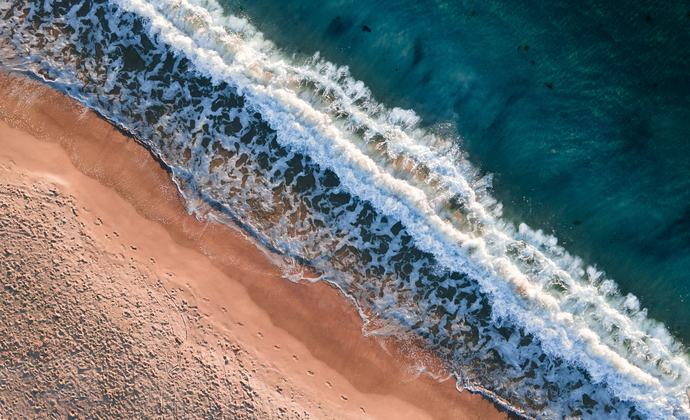
Sandy Bay is less a single beach and more a continuous foreshore stretch along the Derwent River, just south of Hobart’s city centre. It combines Long Beach and Nutgrove Beach into one connected swimming area that functions as part of everyday life in the city.
Unlike ocean beaches, Sandy Bay is shaped by its estuary environment. The water is generally calm, and conditions are predictable, making it one of the most frequently used swimming areas in Hobart.
Long Beach forms the central section, backed by grassed parks and walking paths. It is the busiest part of the strip and a common spot for swimming, paddleboarding, and casual waterfront use.
Nutgrove Beach sits slightly further along and feels more open, with a longer sandy edge and a slightly quieter atmosphere. It is popular for walking, relaxed swims, and early morning exercise.
Together, these two areas create a continuous, accessible swimming corridor that is less about natural wilderness and more about daily coastal living.
-
Best for: regular swimming, paddleboarding, walking, easy access
Atmosphere: suburban waterfront, active, consistent
Things to know: river conditions mean less clarity than ocean beaches, but high reliability for swimming
Blackmans Bay and Boronia Beach
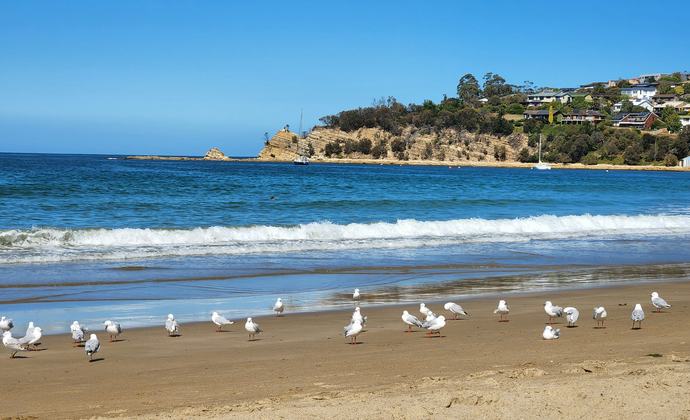
Blackmans Bay is a more developed beach area, but its real appeal lies in the surrounding coastline. The main beach is sheltered and swimmable, but the edges of the bay open into rocky coves and quieter sections.
Boronia Beach is the standout hidden spot in this area. Accessed via a bush track, it is a small rocky cove with clear water on calm days and flat sandstone platforms that make entry into the water relatively easy.
This area is more about exploration than lounging. Rock pools, cliff edges, and coastal tracks make it feel more natural and less structured than nearby suburban beaches.
-
Best for: exploring, short swims, snorkelling in calm conditions
Atmosphere: mixed—main beach is busy, side coves are quiet
Things to know: uneven access in places; best in low swell
Seven Mile Beach
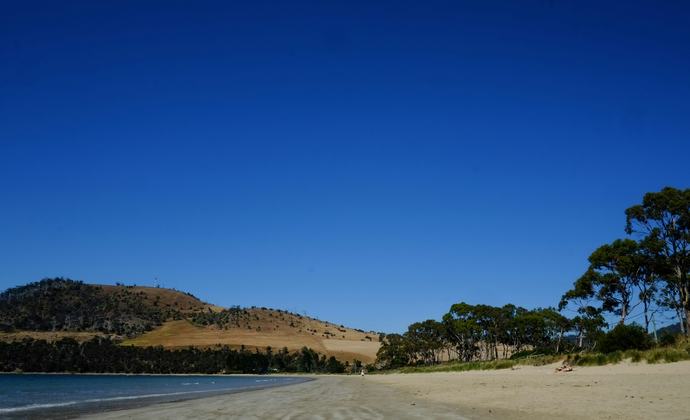
Seven Mile Beach is Hobart’s closest true open-coast beach experience. It stretches for kilometres along Frederick Henry Bay, with wide sand, dunes, and long uninterrupted walking space. It’s one of the few places near the city where you get a sense of scale—open horizon, big sky, and room to move.
The beach changes depending on where you are. Near access points it’s popular for families and casual swimming on calm days. Further out, it becomes quieter and more exposed, with wind shaping the sand and occasional small surf rolling in. It’s also one of the better sunset locations because of its wide western aspect.
Beyond the main access points, Seven Mile Beach becomes increasingly quiet and isolated. Walking away from the central entry areas leads to long, empty stretches of sand backed by dunes, with very little development in sight.
-
Best for: long walks, space, beach running, relaxed swims on calm days
Atmosphere: open, quiet, expansive
Things to know: can be windy and exposed; water is often cold even in summer
Taroona Beach
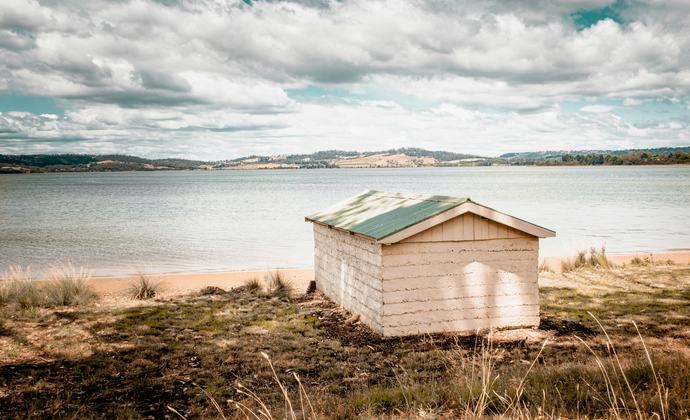
Taroona Beach and nearby Hinsby Beach are small, sheltered coves along the lower Derwent. They are less traditional beaches and more natural swimming edges: rock platforms, small sandy sections, and calm water pockets.
These spots are popular with locals because they feel quieter and more natural than the larger suburban beaches. The coastline here is especially interesting: rock shelves, kelp beds, and small inlets create multiple entry points into the water.
On calm days, visibility improves and snorkelling becomes worthwhile around the rocks. These are not “sit on the sand all day” beaches, they’re more about short swims and exploring the shoreline.
-
Best for: quiet swims, snorkelling, rock exploring
Atmosphere: low-key, local, sheltered
Things to know: access is via small paths and residential entry points
Clifton Beach
Clifton Beach is one of the closest consistent surf beaches to Hobart. Unlike the Derwent beaches, it faces directly into the Southern Ocean, which means stronger swell, cleaner wave formation, and more dynamic conditions.
The beach is long and open, backed by dunes and natural coastal vegetation. On surf days it becomes a hub for local surfers, while on calmer days it is often quiet and spacious.
It is one of the more exposed beaches near the city, and conditions can change quickly depending on swell and wind direction.
-
Best for: surfing, ocean swimming for confident swimmers, beach walks
Atmosphere: wild, exposed, energetic
Things to know: not ideal for inexperienced swimmers in larger swell
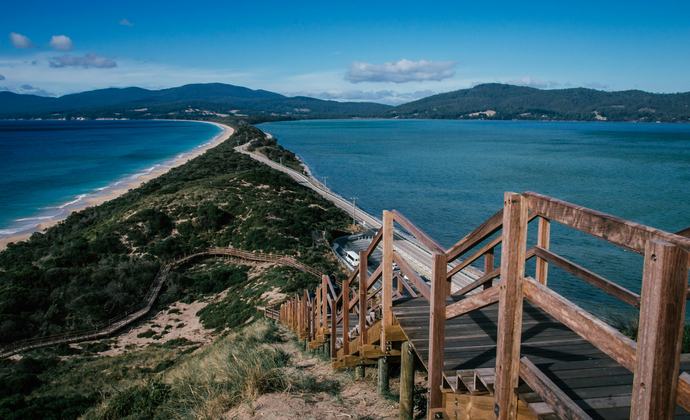
Bruny Island Beaches
(Cloudy Bay and Adventure Bay)
Bruny Island offers a step change in scale and remoteness compared to mainland Hobart beaches. It requires a ferry crossing, but the coastline feels significantly more wild and untouched.
Cloudy Bay is the most dramatic beach on the island, facing the open Southern Ocean with strong surf, wide sand, and a sense of isolation. Adventure Bay is more sheltered, with calmer water and long curved beaches suitable for swimming and relaxed coastal time.
The contrast between these two beaches makes Bruny one of the most complete coastal experiences near Hobart.
-
Best for: day trips, wilderness beaches, surfing (Cloudy Bay), swimming (Adventure Bay)
Atmosphere: remote, natural, expansive
Things to know: weather and ferry timing are important; conditions vary significantly